
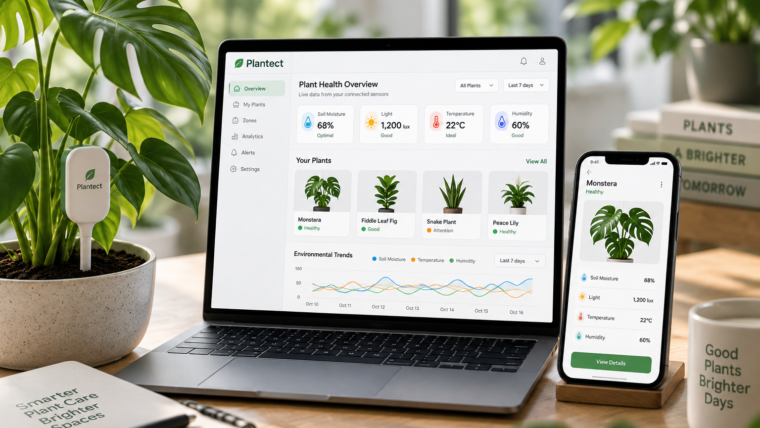
Plantect’s Monitoring Dashboard gives users a clear and organized view of their plant environments by bringing live sensor data into one simple interface. Instead of relying on scattered readings, manual checks, or visual guesswork, users can monitor important conditions such as soil moisture, light exposure, temperature, humidity, and overall plant status from a single connected dashboard. The system is designed to make complex environmental information easy to understand, helping users recognize when a plant, zone, or site may need attention. For home growers, the dashboard provides a simple way to understand daily plant conditions and make better care decisions. For professional users such as landscapers, greenhouse operators, and municipal teams, it supports multi-zone and multi-site visibility, making it easier to compare conditions, prioritize maintenance, and respond before issues become more serious. With clear visual indicators, status summaries, and plant-specific information, the dashboard becomes the central starting point for smarter, more confident plant care. Over time, the Monitoring Dashboard will also support historical trends, alert summaries, care activity records, and performance insights. This allows users to move beyond one-time readings and understand how conditions are changing across days, weeks, and seasons. By turning sensor data into practical visibility, Plantect helps users manage plants with more clarity, consistency, and control.
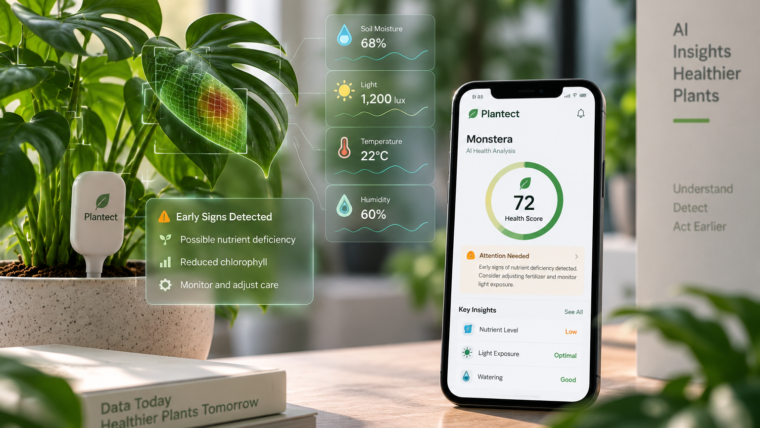
Plantect’s AI Health Engine is designed to help users identify plant health risks before they become visible. Instead of depending only on fixed threshold alerts or late visual symptoms, the…
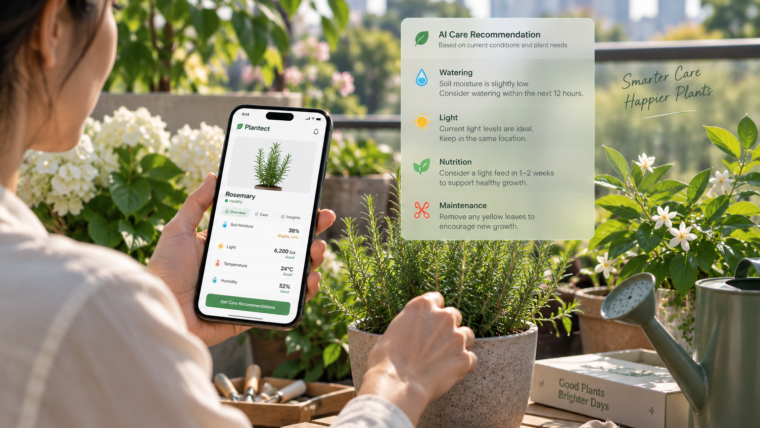
Plantect’s Care Recommendation System turns live plant data into clear, practical next steps. Instead of giving general plant care advice, the system uses sensor readings, plant profiles, and changing environmental…
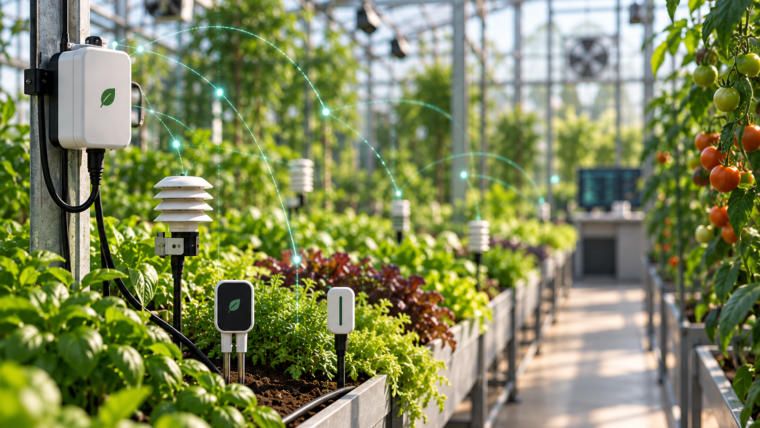
Plantect’s Sensor Integration Layer connects plant and environmental sensors into one unified system, allowing users to collect reliable data from different growing environments without being locked into one hardware brand.…
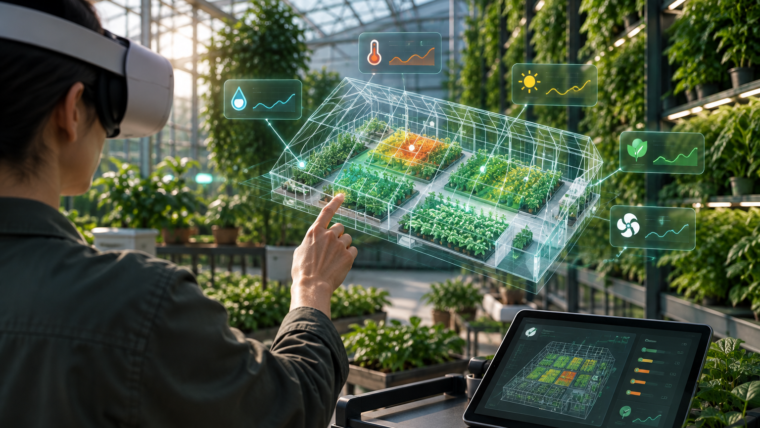
Plantect’s VR / Spatial Monitoring module is designed to help users understand plant health across larger and more complex environments in a more visual and intuitive way. Instead of reviewing long lists of alerts or separate sensor readings, users will be able to view plant conditions spatially across greenhouses, rooftops, living walls, public landscapes, or other managed green spaces. This gives users a clearer sense of where problems are developing, which zones need attention, and how different areas are performing in relation to each other. This module is especially valuable for professional users who manage many plants, zones, or locations at once. Greenhouse operators can use spatial monitoring to identify stress patterns across growing beds. Landscaping teams can review site-level conditions before sending crews. Municipal teams can gain better visibility across distributed public green spaces. By turning plant health information into a visual environment, Plantect helps users make faster and more confident decisions without needing to interpret complex data manually. As the platform develops, the VR / Spatial Monitoring module will support immersive walkthroughs, zone-level health overlays, anomaly mapping, and future care simulation tools. The goal is to make plant health management easier to understand at scale, especially in environments where physical inspection is time-consuming or incomplete. By combining real-time data with spatial visualization, Plantect gives users a more complete view of their growing environments and supports earlier, better-informed action.
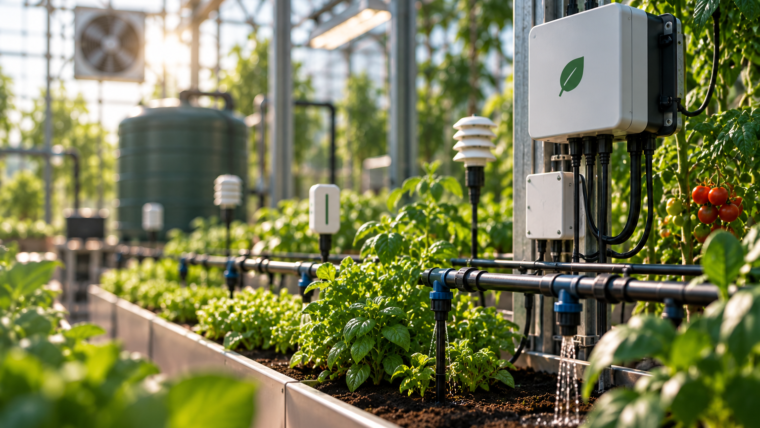
Plantect’s Automation API is designed to connect plant health insight with smart environmental control systems, helping users move from monitoring conditions to taking timely action. As the platform develops, this…